
by Zuluaga Real Estate Group | Oct 28, 2026 | Residential | Active
$299,000
Active
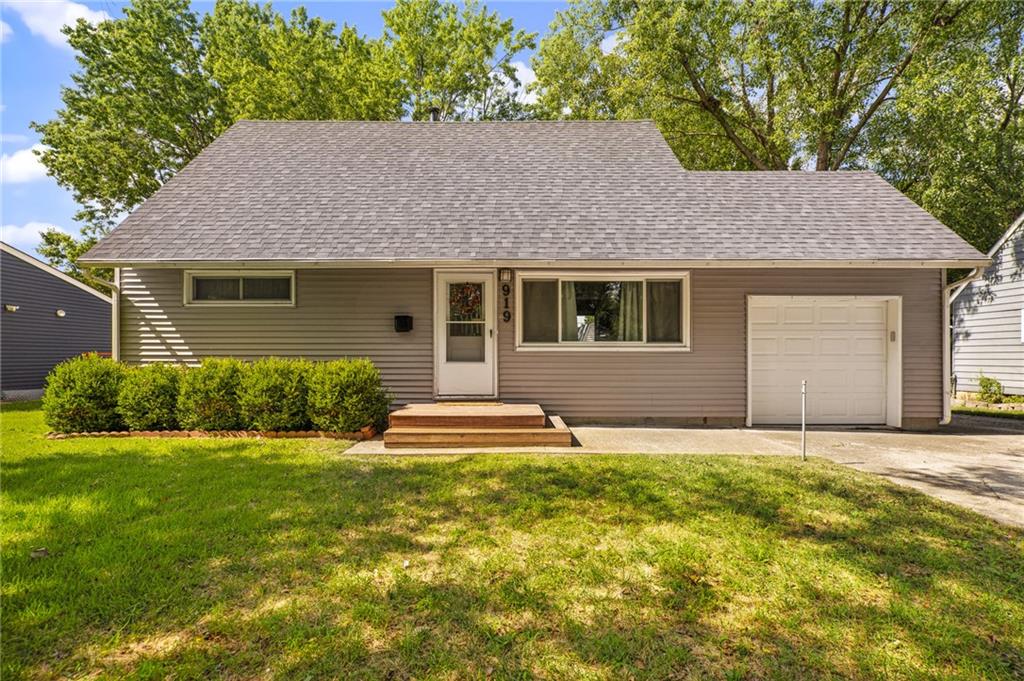
Beautiful Lake-View Home in the Olathe School District
This spacious home offers a versatile layout, lake views, and exceptional convenience. The main level features two bedrooms and a full bathroom, ideal for anyone seeking the ease of main-floor living with minimal stairs.
The open-concept social area includes a beautiful kitchen and plenty of room for gathering, dining, and entertaining. Step outside to a large, fenced backyard with a view of the lake—perfect for relaxing, play, or hosting friends and family. Enjoy peaceful lakeside walks, fishing, and picnics just minutes from your door.
Upstairs, you’ll find two additional bedrooms, creating excellent separation and privacy for family members, guests, or roommates. With bedroom space on both levels, this floor plan combines flexibility, comfort, and privacy.
Additional highlights include:
Lake views and easy access to walking paths, fishing, and picnic areas
Open floor plan with a beautiful kitchen
Large fenced backyard
Driveway parking for up to six vehicles, plus a garage
Backyard storage shed and additional crawl-space storage
Convenient access to highways and shopping
Located in the highly regarded Olathe School District
This home delivers the space, location, storage, and outdoor lifestyle today’s buyers are looking for
by Zuluaga Real Estate Group | Oct 27, 2026 | Uncategorized
Real estate investing can provide opportunities to earn rental income, build equity, and diversify a financial portfolio. However, successful investing requires more than finding a property at an attractive price. Investors need to understand costs, evaluate risks, and choose properties that align with their financial goals.
Whether you are considering your first rental property or exploring other investment opportunities, a thoughtful strategy is essential.
1. Define Your Investment Goals
Start by identifying what you want your investment to accomplish. Are you looking for regular rental income, long-term appreciation, or a combination of both?
Your goals can influence the property type, location, financing approach, and expected holding period. A clear plan also helps you evaluate opportunities against consistent criteria.
2. Set a Realistic Investment Budget
Calculate how much you can invest without compromising your other financial obligations. Consider the down payment, closing costs, loan payments, insurance, property taxes, repairs, and ongoing maintenance.
You should also set aside reserves for vacancies and unexpected expenses. A property that looks profitable on paper may become difficult to manage if you underestimate its operating costs.
3. Research the Local Market
Study rental demand, comparable rents, recent property sales, local employment trends, and planned infrastructure improvements where reliable information is available.
Compare multiple properties rather than relying on broad market predictions. Strong investment decisions come from understanding the specific property and its market, not simply assuming prices will rise.
4. Calculate Potential Cash Flow
Cash flow is the money left after rental income covers operating expenses and debt payments.
For example, a property generating $2,500 in monthly rent with $1,000 in operating expenses and $1,100 in loan payments would produce an estimated $400 in monthly cash flow before income taxes and any costs not included in the calculation.
This is an illustrative example, not a guarantee of actual returns. Account for vacancies, major repairs, and other potential expenses when evaluating a property.
5. Understand Your Financing Options
Investment property loans may have different down payment, interest rate, reserve, and qualification requirements from owner-occupied mortgages.
Compare financing options and calculate how borrowing costs could affect your returns. Avoid taking on debt based solely on optimistic rental or appreciation forecasts.
6. Plan for Property Management
Decide whether you will manage the property yourself or hire a professional property manager. Self-management can cut management fees, but it requires time for tenant communication, coordinating maintenance, collecting rent, and staying compliant with the law.
Professional management can simplify daily operations, although fees will reduce your net income.
7. Prepare for Risk and Long-Term Costs
Rental properties can experience vacancies, unexpected repairs, changes in insurance premiums, and shifts in local demand. Review appropriate insurance coverage, understand landlord-tenant requirements, and maintain a financial reserve.
Periodically evaluate your investment to see whether it still meets your goals.
Final Thoughts
Real estate investing can be a useful part of a long-term financial strategy, but no property guarantees a profit. Careful research, realistic financial projections, and effective management can help you assess opportunities more confidently.

by Zuluaga Real Estate Group | Oct 23, 2026 | Residential | Active

$250,000
Active
Welcome home to this beautifully reimagine ranch-style gem! Completely renovated from top to bottom. Step inside and fall in love with the spacious open floor plan, featuring gorgeous luxury plank flooring that flows seamlessly throughout the living spaces, the gourmet kitchen is truly the heart of the home featuring exquisite, top of the line granite countertops with dramatic waterfall finishes, a brand new gas cooktop and a sleek stainless steel refrigerator, this kitchen is designed to impress. The stylish breakfast and entertainment bar creates the perfect gathering space for casual dining, morning coffee or hosting family and friends. Both bathrooms have been beautifully transformed with luxurious, upscale finishes. Need extra space? The converted garage offers incredible flexibility and is ideal for home office, guest retreat, additional bedroom or bonus living area to suit your life style. Nestle in a wonderful, establish neighborhood this home offers exceptional convenience with easy access to major highways, shopping, dinning and entertainment.

by Zuluaga Real Estate Group | Oct 23, 2026 | Residential | Active
$305,000
Active
Beautiful Lake-View Home in the Olathe School District
This spacious home offers a versatile layout, lake views, and exceptional convenience. The main level features two bedrooms and a full bathroom, ideal for anyone seeking the ease of main-floor living with minimal stairs.
The open-concept social area includes a beautiful kitchen and plenty of room for gathering, dining, and entertaining. Step outside to a large, fenced backyard with a view of the lake—perfect for relaxing, play, or hosting friends and family. Enjoy peaceful lakeside walks, fishing, and picnics just minutes from your door.
Upstairs, you’ll find two additional bedrooms, creating excellent separation and privacy for family members, guests, or roommates. With bedroom space on both levels, this floor plan combines flexibility, comfort, and privacy.
Additional highlights include:
Lake views and easy access to walking paths, fishing, and picnic areas
Open floor plan with a beautiful kitchen
Large fenced backyard
Driveway parking for up to six vehicles, plus a garage
Backyard storage shed and additional crawl-space storage
Convenient access to highways and shopping
Located in the highly regarded Olathe School District
This home delivers the space, location, storage, and outdoor lifestyle today’s buyers are looking for

by Zuluaga Real Estate Group | Oct 22, 2026 | OPEN HOUSE | Residential | Active
 OPEN HOUSE: Sat, Oct 24, 2026 11:00 AM – 01:00 PM
$1,250,000
Discover over 15 acres of country paradise, offering peace, privacy, and room to enjoy the outdoors. A beautiful one-acre stocked pond enhances the setting, while a well with a pump adds practical value. The modular home is in great condition, complemented by a large detached two-car garage with concrete floors and electricity—ideal for vehicles, storage, or a workshop. Contac me for a private showing!
For equestrian and rodeo enthusiasts, this property offers an exceptional opportunity, with over $250,000 invested in the rodeo arena. A transferable 10-year special use permit allows equestrian and rodeo events, adding versatility to this unique acreage. Whether you envision a quiet country retreat or a place to pursue your passion for horses and rodeo, this property offers space, established improvements, and exciting possibilities.
by Zuluaga Real Estate Group | Oct 21, 2026 | Uncategorized
Housing inventory plays an important role in the real estate market. The number of homes available for sale can affect buyer choices, competition, pricing, and how long properties remain on the market.
Understanding housing inventory can help buyers and sellers make better-informed decisions. Instead of relying on headlines alone, it is useful to look at local market conditions and how they change over time.
What Is Housing Inventory?
Housing inventory refers to the homes available for sale in a particular market during a given period. Depending on the report, the figure may include active listings, newly listed properties, or other defined measures of available housing.
Inventory levels can vary significantly between cities, neighborhoods, and property types. A market may have many condominiums available but fewer detached homes, or plenty of listings in one price range and limited options in another.
This is why local data often provides a more useful picture than national averages.
How Inventory Affects Home Buyers
When more homes are available, buyers may have a wider range of properties to compare. They may have more flexibility to evaluate condition, location, features, and asking prices before making an offer.
When inventory is limited, buyers may face greater competition for properties that meet their needs. In some situations, this can lead to faster decisions and stronger offers.
However, inventory alone does not determine whether a market favors buyers or sellers. Mortgage rates, affordability, employment conditions, seller expectations, and buyer demand also influence market activity.
What Housing Inventory Means for Sellers
Sellers can use inventory data to understand how their property compares with similar homes currently available.
If many comparable properties are listed, accurate pricing, strong presentation, and effective marketing may help a home stand out. When fewer comparable homes are available, sellers may have less direct competition, but buyers must still be willing and able to purchase.
Recent closed sales are especially important because asking prices do not necessarily reflect the prices buyers ultimately pay.
Understanding Months of Housing Supply
Months of supply is a common measure used to describe the relationship between available homes and the recent pace of sales. It estimates how long the current inventory would last if homes continued selling at that pace and no additional properties entered the market.
Lower supply can indicate tighter market conditions, while higher supply can suggest more options for buyers. The interpretation depends on the local market, the time period measured, and the data source.
It is best to review this metric alongside sales activity, listing prices, and days on market.
How to Use Inventory Data When Making Decisions
Buyers should compare available listings with recent sales, monitor new properties, and understand how quickly suitable homes are selling. Sellers should review competing listings, local demand, and recent transaction data before choosing an asking price.
Working with current, reliable market information can help both parties set realistic expectations.
Stay Informed About Your Local Housing Market
Housing inventory is one of several indicators that explain real estate market conditions. By looking beyond a single number and reviewing local trends, buyers and sellers can make decisions based on evidence rather than assumptions.
Before making a move, review current listings, recent comparable sales, and local market reports to understand the opportunities available in your area.

by Zuluaga Real Estate Group | Oct 17, 2026 | Residential | Active
$310,000
Active
Beautiful Lake-View Home in the Olathe School District
This spacious home offers a versatile layout, lake views, and exceptional convenience. The main level features two bedrooms and a full bathroom, ideal for anyone seeking the ease of main-floor living with minimal stairs.
The open-concept social area includes a beautiful kitchen and plenty of room for gathering, dining, and entertaining. Step outside to a large, fenced backyard with a view of the lake—perfect for relaxing, play, or hosting friends and family. Enjoy peaceful lakeside walks, fishing, and picnics just minutes from your door.
Upstairs, you’ll find two additional bedrooms, creating excellent separation and privacy for family members, guests, or roommates. With bedroom space on both levels, this floor plan combines flexibility, comfort, and privacy.
Additional highlights include:
Lake views and easy access to walking paths, fishing, and picnic areas
Open floor plan with a beautiful kitchen
Large fenced backyard
Driveway parking for up to six vehicles, plus a garage
Backyard storage shed and additional crawl-space storage
Convenient access to highways and shopping
Located in the highly regarded Olathe School District
This home delivers the space, location, storage, and outdoor lifestyle today’s buyers are looking for
by Zuluaga Real Estate Group | Oct 14, 2026 | Uncategorized
Real estate can play an important role in a long-term financial plan. Whether you are preparing to buy a home, considering an investment property, or planning to sell, understanding your finances can help you make more informed decisions.
The real estate market can change over time. Home prices, mortgage costs, inventory, taxes, insurance, and economic conditions can all affect the financial side of a property decision. A thoughtful plan can help you prepare for these changes instead of reacting to them.
Start With Your Financial Goals
Before making a real estate decision, take time to define what you want to accomplish. Your goal may be purchasing a primary residence, moving to a different property, building long-term wealth, or preparing for a future sale.
Your goals can help determine how much you are comfortable spending and what type of property may fit your financial situation.
A clear goal can also help you avoid making decisions based only on short-term market headlines.
Create a Realistic Real Estate Budget
A real estate budget should include more than the purchase price. Buyers should consider mortgage payments, property taxes, insurance, maintenance, utilities, association fees when applicable, and other ongoing expenses.
It is also important to account for upfront costs. Depending on the transaction, these may include a down payment, closing costs, inspections, moving expenses, and initial repairs or improvements.
Building a complete budget can give you a clearer picture of what you can comfortably afford.
Review Your Financing Options
Mortgage financing can have a significant impact on the overall cost of buying a property. Interest rates, loan terms, down payment amounts, and other financing costs can influence monthly payments and long-term expenses.
Before choosing a mortgage, compare available options and understand the full cost of each loan. A qualified lending professional can help explain the terms and requirements that apply to your situation.
Getting financially prepared early can also make the home buying process more organized.
Keep an Emergency Fund
Real estate ownership comes with expenses that are not always predictable. A water heater may need replacement, a roof may require repairs, or other unexpected costs may arise.
Maintaining an emergency fund can provide financial flexibility when these situations occur. Homeowners should consider their overall savings and other financial obligations when determining how much cash to keep available.
Using every available dollar for a down payment may not always be the best approach if it leaves little room for unexpected expenses.
Consider the Long-Term Cost of Ownership
A property can be a major financial commitment, so it is useful to look beyond the initial purchase.
Consider how taxes, insurance, maintenance, financing, and potential improvements could affect your finances over time. If you are considering an investment property, also evaluate potential operating expenses, vacancy periods, repairs, and other costs before making a decision.
Looking at the complete financial picture can help you avoid focusing only on potential returns or the purchase price.
Review Your Financial Plan Regularly
Financial circumstances can change. Income, expenses, interest rates, property values, and personal goals may look different several years after a purchase.
Reviewing your financial plan periodically can help you determine whether your current real estate strategy still fits your goals.
For homeowners, this may include reviewing mortgage terms, insurance coverage, maintenance needs, and future housing plans. For prospective buyers, it may mean reassessing savings and financing readiness.
Avoid Making Decisions Based Only on Market Headlines
Real estate headlines can create excitement or concern, but one market report rarely tells the whole story.
Local housing conditions can differ significantly by location, property type, and price range. Financial decisions should be based on your own circumstances as well as relevant market information.
Instead of trying to predict every market movement, focus on factors you can control, such as your budget, savings, debt, financing, and long-term goals.
Plan Before You Make Your Next Move
Good financial planning can make real estate decisions easier to evaluate. A clear budget, appropriate financing, emergency savings, and long-term goals can provide a stronger foundation for buying, selling, or owning property.
Real estate is an important financial commitment, so consider working with qualified financial, lending, tax, or legal professionals when appropriate for your individual circumstances.
The goal is not simply to make a real estate decision. It is to make one that fits your broader financial plan.
by Zuluaga Real Estate Group | Oct 7, 2026 | Uncategorized
Start With a Clear Investment Objective
Real estate investment can take many forms, and different properties can serve different purposes. An investor may be interested in rental income, long-term appreciation, diversification, or another financial objective.
Defining the purpose of an investment before evaluating individual properties can make it easier to compare opportunities using relevant financial information.
Understand the Full Cost of a Property
The purchase price is only one part of an investment property’s financial picture.
Investors may need to consider financing costs, property taxes, insurance, maintenance, repairs, management expenses, utilities, vacancy periods, and other operating costs.
Looking at the complete cost structure can provide a more realistic picture of potential cash flow.
Evaluate Potential Rental Income Carefully
For rental properties, expected rental income is an important consideration. However, projected rent should not be treated as guaranteed income.
Investors can research comparable rental properties and consider local market conditions when estimating potential revenue. Vacancy, turnover, repairs, and operating expenses should also be included when reviewing the numbers.
Consider Location and Property Characteristics
Location can influence rental demand, operating costs, accessibility, and long-term market conditions.
Property characteristics also matter. Size, condition, layout, maintenance requirements, and potential renovation costs can all affect an investment’s financial performance.
Rather than relying on one feature, investors can evaluate the property as a complete investment.
Review Financing and Cash Flow
Financing can significantly affect investment returns. Interest rates, loan terms, down payment requirements, and financing costs can change the amount of cash required and the property’s ongoing expenses.
Investors should calculate expected income and expenses using realistic assumptions. A property that appears attractive based on gross rental income may have a very different financial profile after expenses and financing are included.
Understand Market Risk
Real estate markets change over time. Property values, rental demand, financing costs, inventory, and economic conditions can all affect an investment.
No investment can guarantee a particular return. Investors should consider potential risks and avoid relying solely on past performance or broad market predictions.
Keep the Strategy Long Term
Real estate investment often requires patience. Property maintenance, tenant turnover, financing changes, market cycles, and unexpected expenses can affect results from year to year.
A clearly defined investment strategy can help investors evaluate opportunities based on their financial objectives rather than short-term market movements.
Make Decisions Using the Complete Financial Picture
A real estate investment should be evaluated using more than purchase price or projected appreciation.
Consider income, expenses, financing, property condition, location, market conditions, potential risks, and the investor’s financial circumstances.
Careful research and realistic financial assumptions can help investors better understand a property’s potential strengths and challenges before moving forward.
by Zuluaga Real Estate Group | Sep 30, 2026 | Uncategorized
The economy can influence many parts of the housing market, from borrowing costs and household budgets to construction activity and home prices. For homeowners and prospective buyers, understanding the broader economic picture can provide useful context when evaluating housing decisions.
Economic conditions do not affect every market in the same way. Local employment, housing supply, demand, household income, and inventory can all influence what happens in a particular area.
Interest Rates Remain an Important Factor
Mortgage rates can have a direct effect on monthly housing payments. Even a relatively small change in the interest rate can affect the total cost of borrowing over the life of a mortgage.
For buyers, comparing different financing scenarios can help clarify what fits within the household budget. Rather than focusing only on the headline mortgage rate, it is important to consider the full monthly payment and other costs associated with homeownership.
Employment and Consumer Confidence Matter
Employment conditions can also influence housing activity. When households feel more financially secure, they may be more comfortable making large purchases. When economic uncertainty increases, some households may choose to delay major financial decisions.
This does not mean the housing market moves in one direction whenever economic conditions change. Local market conditions can create very different experiences from one community to another.
Housing Supply Can Shape Local Conditions
The amount of available housing is another important part of the economic picture. Limited inventory can create competition for available properties, while higher inventory may provide buyers with more choices.
Construction activity, household formation, development patterns, and the pace of new listings can all affect local supply. That is why national economic headlines do not always tell the complete story of what is happening in a specific housing market.
Look Beyond the Headlines
Economic reports can provide useful context, but they should not be the only factor considered when making a housing decision. A property’s price, condition, location, financing costs, maintenance requirements, and local market conditions can all matter.
For homeowners and buyers, the most useful approach may be to understand how broader economic trends connect with the specific market and property being considered.
Keep Your Own Financial Picture in Focus
Economic conditions are constantly changing. Instead of trying to predict every market movement, homeowners and buyers can focus on factors they can evaluate, including their budget, financing options, housing needs, and long-term plans.
Understanding the economic outlook can provide valuable context, but personal financial circumstances and local housing conditions remain important parts of the decision-making process.
